BD
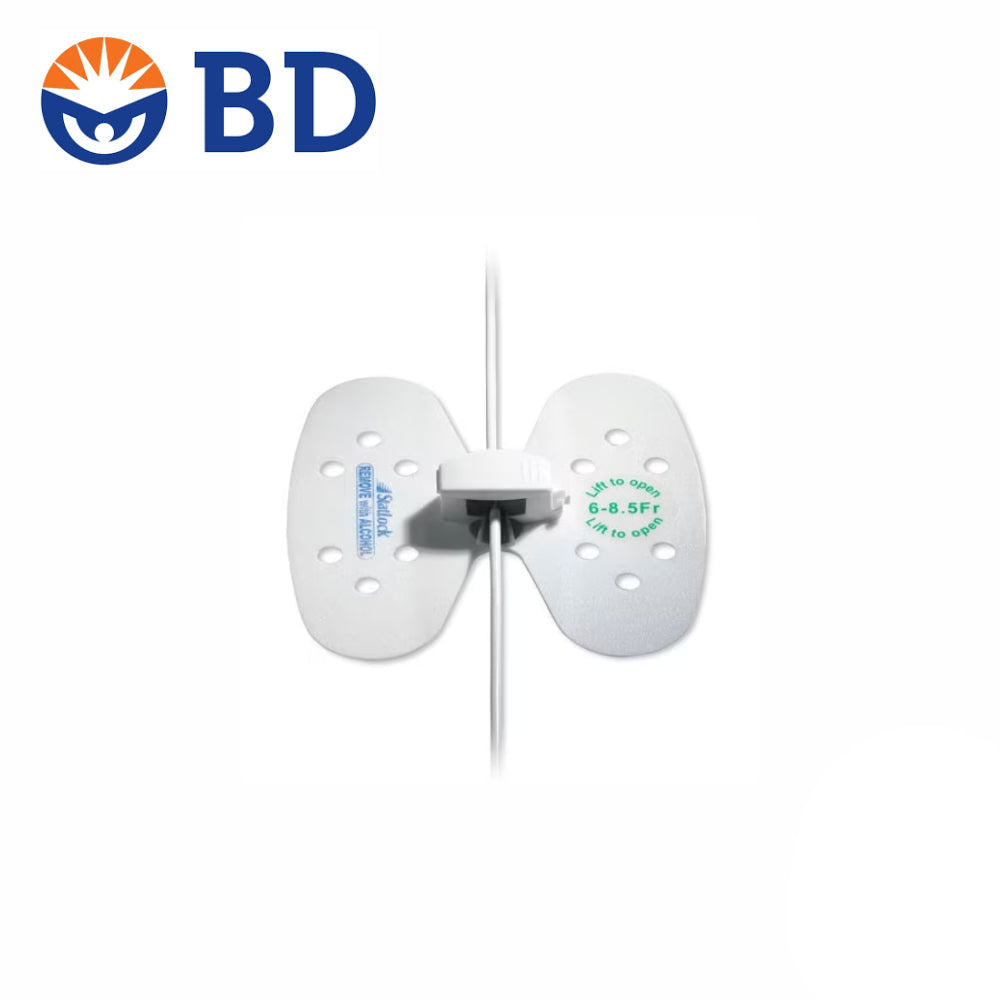
BD StatLock ™ Universal Plus Stabilization Device
BD StatLock ™ Universal Plus Stabilization Device
Couldn't load pickup availability
Product Overview
Family features include sterile, latex-free construction and an adhesive pad. The PICC-specific device is StatLock PICC Plus.
Specifications
| Brand / manufacturer | BD |
| EMIS+ title | BD StatLock ™ Universal Plus Stabilization Device |
| Shopify product type | Medical Equipment |
| Variant REFs / SKUs | Default Title |
| Store price (SGD) | 40.00 |
| Availability (crawl) | In stock (at least one variant) |
| Manufacturer | BD |
| Family | StatLock Universal Plus |
Indications
- Securement of compatible catheters/tubes per BD IFU for the specific REF supplied
How to use (IFU highlights)
- Identify the REF on the pouch before opening.
- Apply to clean dry skin per IFU.
- Change with the dressing per protocol.
Home dressing visit (optional)
EMIS+ offers nurse-led PICC/CVC dressing changes at home using a StatLock stabilisation device plus a CHG I.V. securement dressing when clinically appropriate. Ask via emis.asia/pages/contact or +65 8139 8668. Do not use this product page as a substitute for clinical assessment.
Buy in Singapore
Genuine stock from EMIS+ (Essential Medical International Supplies Pte Ltd (UEN 202338976K)). Prices on this store are in SGD. Island-wide Singapore delivery. WhatsApp or call +65 8139 8668. 7 Temasek Boulevard #12-07 Suntec Tower One, Singapore 038987. Contact EMIS+.
This page is product information, not medical advice. Confirm REF, stoma size and change interval with your stoma care nurse or doctor. Always follow the manufacturer instructions for use supplied with the product.
Ordering & Delivery FAQ
Where can I buy BD StatLock ™ Universal Plus Stabilization Device in Singapore?
You can order BD StatLock ™ Universal Plus Stabilization Device online from EMIS+ at emis.asia, a Singapore nurse-led medical supply store offering fast islandwide delivery.
How quickly will my EMIS+ order be delivered?
EMIS+ dispatches orders across Singapore, with standard delivery typically arriving within a few working days. Order tracking is provided once your order ships.
Can I get advice before ordering from EMIS+?
Yes. EMIS+ is a nurse-led store and our team can help with product selection. For medical advice specific to your condition or treatment, please consult your doctor or pharmacist.
Should I check with a clinician before using this product?
Yes. This page is product information, not medical advice. Confirm that the product is appropriate for your situation with your doctor, nurse or pharmacist, and always follow the manufacturer instructions for use supplied with the product.
Share