Skip to product information
1 of 1

AiYiSheng

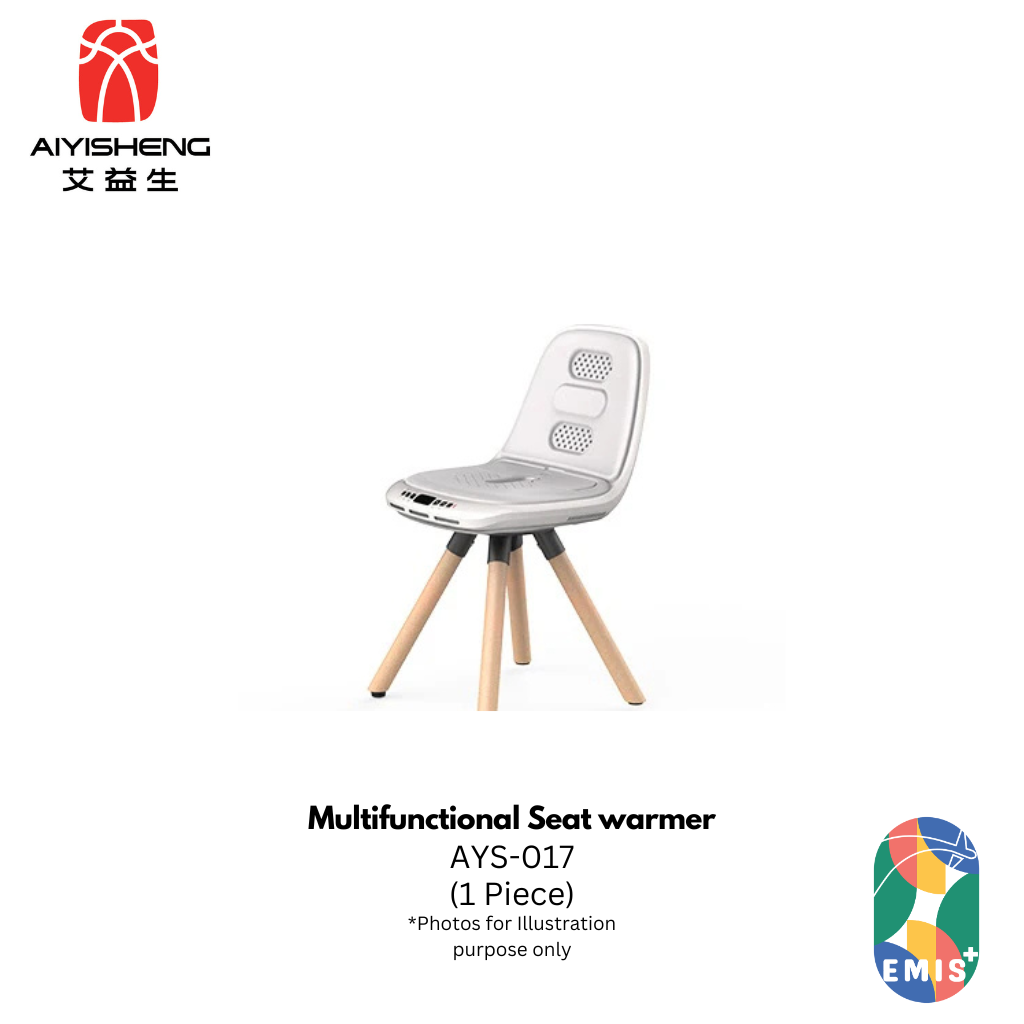
Multifunctional Warm Buttocks Appliance

Multifunctional Warm Buttocks Appliance

Regular price $1,199.00 SGD
Regular price Sale price $1,199.00 SGD
Sale Sold out
Shipping calculated at checkout.

Multifunctional Warm Buttocks Appliance — AiYiSheng. SKU: MX-TL-0009. SGD 1,199. Seated pelvic moxibustion heat therapy appliance with ergonomic seat structure delivering targeted thermotherapy to the sacral, gluteal, and perineal regions. Technical specifications: three independent heat outlets covering lower lumbar, bilateral gluteal, and perineal zones; adjustable multi-level thermostatic temperature control; multiple therapy modes (heat-only, heat + vibration, moxibustion-principle); detachable modular design with four removable legs; device weight 2.0 kg; 36V low-voltage electrical system. Mechanism: sustained thermal delivery at 38–45°C to the sacropelvic region promotes pelvic floor microvascular dilation, reduces pelvic congestion, attenuates local pro-inflammatory cytokine expression (PGE2, TNF-alpha), activates Ren Mai (Conception Vessel) and Du Mai (Governor Vessel) meridian pathways, and stimulates Kidney Yang warming function via GV4 Mingmen and CV4 Guanyuan acupoints. Primary indications: primary dysmenorrhoea, chronic pelvic pain, haemorrhoidal discomfort, benign prostate enlargement-related perineal discomfort, sacroiliac joint pain, pelvic floor tension myalgia, Yang-deficiency cold constitution patterns (TCM). Smokeless moxibustion technology — no combustion particulate emission. Singapore-available. IEC 60601-1 compliant electrical safety.

Multifunctional Warm Buttocks Appliance: Technical Specifications

Parameter Specification Clinical / Functional Note
SKU / Model MX-TL-0009 Manufacturer: AiYiSheng; product class: seated pelvic moxibustion heat therapy appliance
Heat Outlets 3 major heat outlets: bilateral gluteal, central sacral/perineal Simultaneous coverage of lower lumbar (L4-S2), bilateral gluteal musculature, and perineal/sacrococcygeal region — comprehensive sacropelvic thermal delivery
Temperature Control Multi-level adjustable thermostatic control; multiple therapy modes Lower settings (35–40°C) for daily maintenance and Yang warming; higher settings (42–45°C) for dysmenorrhoea relief and acute pelvic congestion reduction; mode selection adapts to condition and session duration
Device Design Detachable modular construction; 4 removable legs; ergonomic seat form factor; 2.0 kg Removable legs enable use as floor-level, raised seat, or toilet-seat-adjacent device; 2.0 kg weight suitable for home, clinic, and office positioning; ergonomic contour maintains pelvic contact geometry during 20–30-minute sessions
Electrical Safety 36V low-voltage system; IEC 60601-1 compliant electrical safety design 36V reduces shock risk compared to 220V mains-direct devices; low-voltage compliance appropriate for devices in body-contact therapeutic applications; no combustion byproducts
Meridian / Acupoint Targets Ren Mai CV4 (Guanyuan), CV6 (Qihai); Du Mai GV4 (Mingmen); Bladder BL32 (Ciliao), BL34 (Xialiao); Huiyin CV1 CV4 Guanyuan: primary point for reproductive disorders, dysmenorrhoea, and Yang tonification; BL32/BL34 (sacral foraminal points): directly accessible via sacral heat outlet — clinical equivalents of electro-acupuncture sacral neuromodulation targets
Physiological Mechanism Pelvic microvascular vasodilation; PGE2 and TNF-alpha attenuation; uterine smooth muscle relaxation; sacral parasympathetic plexus thermal stimulation; endorphin release Heat applied to sacral dermatomes reduces uterine contractility (Akin et al., 2001, Obstetrics and Gynaecology): thermal therapy comparable to ibuprofen 400 mg for primary dysmenorrhoea pain reduction at 1-hour endpoint
Primary Clinical Indications Primary dysmenorrhoea, chronic pelvic pain, haemorrhoidal discomfort, BPH-related perineal heaviness, sacroiliac joint pain, pelvic floor tension myalgia, Yang-deficiency cold constitution (TCM) TCM: tonifies Kidney Yang and Ren/Du Mai; warms uterus (Gong Han); disperses Cold-Qi from lower jiao; dissolves Blood stasis causing dysmenorrhoea; strengthens pelvic constitution in Yang-deficiency patterns
Session Protocol 20–30 minutes per session; 1–2 sessions daily for symptomatic presentations; maintenance 3–4 sessions per week; avoid use during menstrual flow if discomfort occurs Pre-menstrual use (days 21–28 of cycle) as preventive Yang warming protocol reduces dysmenorrhoea severity at next cycle; discontinue if skin irritation or excessive heat sensation occurs

Clinical Q&A: Multifunctional Warm Buttocks Appliance

What is the mechanism of heat therapy for primary dysmenorrhoea relief?

Primary dysmenorrhoea results from excessive uterine prostaglandin E2 (PGE2) and F2alpha production during menstruation, causing uterine smooth muscle hypercontractility, uterine ischaemia, and referred sacropelvic pain. Heat applied to the suprapubic and sacral regions operates through multiple concurrent mechanisms: thermal relaxation of uterine smooth muscle reduces contraction amplitude and frequency directly; vasodilation of pelvic microcirculation improves oxygen delivery and metabolite clearance from ischaemic myometrium; and thermal stimulation of sacral dermatomes activates gate-control pain modulation and endorphin release pathways. Akin et al. (2001, Obstetrics and Gynaecology, n=84) demonstrated that continuous low-level heat wrap therapy at 38°C applied to the lower abdomen produced pain relief comparable to ibuprofen 400 mg at the 1-hour endpoint, with sustained benefit at 8 hours exceeding oral ibuprofen due to the continuous thermal stimulus. The MX-TL-0009's three-outlet sacropelvic coverage delivers simultaneous uterine and sacral thermal therapy that oral analgesics cannot replicate anatomically.

Which TCM meridian principles apply to sacropelvic moxibustion therapy?

In TCM pathophysiology, uterine and pelvic disorders are predominantly attributed to Gong Han (uterine cold), Kidney Yang deficiency, or Blood stasis in the lower jiao. The Ren Mai (Conception Vessel) governs the uterus, menstruation, and reproductive function; the Du Mai (Governor Vessel) governs Yang Qi circulation throughout the body. CV4 (Guanyuan, "Gate of Yuan Qi") at 3 cun below the navel is the primary point for tonifying Kidney Yang, regulating menstruation, and warming the uterus — the single most important point for Gong Han and dysmenorrhoea in classical moxibustion. CV6 (Qihai, "Sea of Qi") at 1.5 cun below navel strengthens original Qi. GV4 (Mingmen, "Gate of Life") at L2-L3 level tonifies Kidney Yang from the posterior aspect. BL32 and BL34 (second and fourth sacral foraminal points) access the sacral parasympathetic plexus directly — the neuromodulatory target of sacral nerve stimulation for bladder and pelvic floor disorders in Western medicine. The device's seated heat outlet geometry approximates classical moxa positioning for simultaneous treatment of CV4, CV6, and the sacral BL32/BL34 cluster.

How does the appliance address haemorrhoidal and anorectal discomfort?

Haemorrhoidal disease involves chronic venous congestion, inflammation, and vascular engorgement of the internal and external haemorrhoidal plexus. Sustained perineal heat therapy promotes local venous return via thermal vasodilation of the portal-haemorrhoidal venous network, reduces anal sphincter resting tone (a key driver of haemorrhoidal prolapse and pain), and attenuates local inflammatory cytokine expression. In TCM, haemorrhoidal disease (Zhi Chuang) is frequently attributed to Damp-Heat in the lower jiao or Qi deficiency causing prolapse — with moxibustion at Changqiang (GV1, coccygeal tip) and perineal points being a classical treatment strategy. The device's central perineal heat outlet delivers thermal stimulus to the anorectal region without requiring clinic-based treatment, providing a convenient adjunctive therapy between medical management cycles. Patients with acute haemorrhoidal thrombosis, active bleeding, or fissure-in-ano should not use topical heat without medical review.

What are the specific indications for BPH-related perineal discomfort management?

Benign prostatic hyperplasia (BPH)-associated lower urinary tract symptoms (LUTS) frequently include perineal heaviness, pelvic pressure, and post-void discomfort from prostatic congestion and pelvic floor hypertonia. Thermotherapy has a well-documented role in BPH management: transurethral microwave thermotherapy (TUMT) at 45°C induces prostatic apoptosis and tissue remodelling as a clinical procedure; low-level external perineal heat at 38–42°C in seated devices produces a less aggressive but clinically meaningful reduction in perineal tension and prostatic congestion via local microvascular effects. In TCM, BPH maps to Kidney Yang deficiency with damp-phlegm accumulation — moxibustion targeting CV4, CV3 (Zhongji, above pubic symphysis), and BL32 tonifies Yang and promotes Qi transformation of bladder and lower jiao. External perineal heat is a recognised adjunctive comfort measure in urology; patients with BPH should continue medical management (alpha-1 blockers, 5-alpha reductase inhibitors) and use the device as adjunctive relief, not primary treatment.

What precautions apply during use and which conditions contraindicate the device?

Absolute contraindications: pregnancy (sacropelvic heat is contraindicated throughout gestation due to thermal teratogenic risk); active genital or pelvic infection (PID, vulvovaginitis, epididymitis — heat worsens bacterial proliferation and tissue oedema); acute haemorrhoidal thrombosis with active bleeding or severe fissure; malignancy of the pelvic organs (prostate, uterine, rectal — heat may promote tumour vascularity); implanted pacemakers or sacral nerve stimulators (electromagnetic interference risk); skin integrity compromise in the perineal/sacral region. Relative precautions: diabetes with peripheral neuropathy (impaired thermal sensation — use lower settings, 35–38°C maximum, with skin checks); Yin-deficiency constitutional pattern (TCM) — sustained heat may worsen Yin exhaustion; use shorter sessions at lower temperatures. Menstrual flow period — clinical guidance is mixed; TCM generally advises against moxibustion during active menstruation, while Western evidence supports heat for dysmenorrhoea at any phase. Follow patient comfort as primary guide. Maximum recommended session temperature: 45°C surface; always interpose a thin cotton layer if direct contact causes discomfort.

Regulatory & Standards Framework: Electrical safety compliance per IEC 60601-1:2005+A1:2012 (Medical electrical equipment — General requirements for basic safety) and IEC 60601-1-2 (EMC requirements). Low-voltage system (36V) per IEC 60364 low-voltage installation standards. ISO 13485:2016 quality management framework for medical device manufacturing (AiYiSheng). Singapore Health Sciences Authority (HSA) medical device general controls — Class A/B risk classification for external body-contact thermal therapy devices. Traditional Chinese Medicine moxibustion therapeutic rationale per Singapore Traditional Chinese Medicine Practitioners Act (Cap. 333A) and TCM Practitioners Board (TCMPB). Heat therapy for dysmenorrhoea clinical evidence: Akin MD et al., Obstetrics and Gynaecology 2001; Proctor M et al., Cochrane Database of Systematic Reviews 2002 (heat therapy for primary and secondary dysmenorrhoea).

View full details