Molnlycke
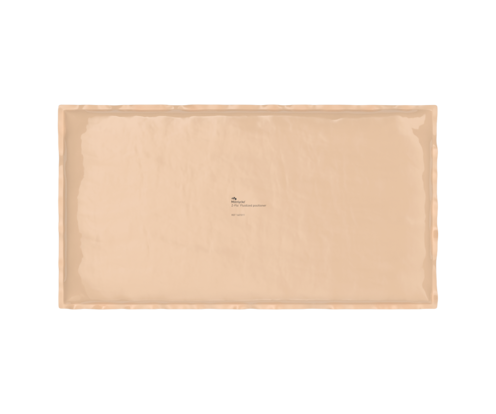
Molnlycke AD Medium Positioner 16cm x 30cm 1S 1401011
Molnlycke AD Medium Positioner 16cm x 30cm 1S 1401011
无法加载取货服务可用情况
Product Overview
The Mölnlycke AD Positioner series is a range of viscoelastic foam positioning aids engineered for pressure injury prevention through offloading and redistribution of compressive forces at high-risk anatomical sites. The Medium Positioner (16 cm x 30 cm, REF 1401011) is dimensioned for heel, ankle, and distal lower limb positioning in adult patients. Viscoelastic (memory) foam conforms to body contours under applied pressure and distributes load over the maximum available surface area, reducing peak interface pressure to below capillary closing pressure (approximately 30–32 mmHg), thereby maintaining tissue perfusion at bony prominences during periods of immobility. The device elevates the heel by 2–5 cm, eliminating direct contact between the calcaneus and the support surface — the fundamental mechanism for heel pressure injury prevention recommended in EPUAP/NPIAP 2019 Grade B evidence recommendations.
Mölnlycke Health Care, headquartered in Gothenburg, Sweden, was established in 1849 and is recognised globally for wound care, surgical, and patient positioning products. The AD (Alvik Design) positioner range is manufactured under ISO 13485:2016 medical device quality management systems, ensuring batch traceability, design validation, and post-market surveillance compliance. The product holds CE marking under EU MDR 2017/745 and is classified as a Class I or Class IIa medical device depending on intended use claims. In Singapore, foam positioning devices are classified under HSA GN-13 Guidance as Class A or Class B medical devices under the Health Products Act (Cap. 122D), with classification dependent on whether the device is intended for patients with intact skin or compromised skin/wounds. EMIS distributes Mölnlycke AD Positioners to Singapore general hospitals (SGH, NUH, TTSH, CGH), community hospitals, nursing homes, and home care providers.
Specifications
| Manufacturer | Mölnlycke Health Care AB, Gothenburg, Sweden (est. 1849) |
| Product Reference | REF 1401011 |
| Product Name | AD Medium Positioner |
| Dimensions | 16 cm x 30 cm x 1 piece (1S) |
| Material | Viscoelastic (memory) foam; pressure-conforming, slow-recovery polyurethane |
| Primary Clinical Application | Heel and ankle offloading; lower limb positioning; pressure injury prevention at calcaneus and malleoli |
| Pressure Redistribution | Reduces peak interface pressure from 70–100 mmHg to below capillary closing threshold (~30–32 mmHg) at heel bony prominences |
| Elevation Height | Elevates heel 2–5 cm above support surface, eliminating direct calcaneal contact |
| Regulatory — EU | CE Mark; EU MDR 2017/745; Class I or IIa passive positioning device |
| Regulatory — Singapore | HSA medical device; Class A or B under GN-13 Guidance; Health Products Act Cap. 122D |
| Quality System | ISO 13485:2016 medical device quality management system |
| Clinical Guideline Reference | EPUAP/NPIAP/PPPIA 2019 Pressure Injury Prevention and Treatment Clinical Practice Guideline — Grade B recommendation for offloading devices at heel |
| Pack Size | 1 piece per unit (1S) |
Key Applications
- Heel pressure injury prevention in acute care: Applied to bedbound patients in ICU, post-operative wards, and acute medical/surgical settings to prevent calcaneal pressure injuries, which account for approximately 25% of all hospital-acquired pressure injuries per EPUAP/NPIAP 2019 data. Foam heel offloading combined with a 2-hourly repositioning schedule extends repositioning intervals to 4–6 hours per evidence-based positioning protocols.
- Post-surgical lower limb positioning: Used in orthopaedic and vascular surgery recovery to elevate and support the heel, ankle, and distal limb, reducing post-operative oedema and preventing pressure necrosis during periods of reduced patient mobility immediately after surgery.
- Pressure injury Stage 1–2 management: Applied alongside wound dressings for established Stage 1 (non-blanching erythema) and Stage 2 (partial-thickness skin loss) heel pressure injuries to eliminate ongoing pressure stimulus and support wound healing through offloading. Per EPUAP/NPIAP guidelines, offloading is a mandatory adjunct to any local wound treatment for heel pressure injuries.
- Nursing home and long-term care positioning: In Singapore's 430+ licensed nursing homes and community hospitals housing residents with chronic immobility, the AD Medium Positioner provides an accessible, repositionable offloading solution for residents at high Braden Scale risk (score ≤18), where continuous pressure redistribution mattress systems may not be immediately available.
- Home care and step-down pressure injury prevention: Prescribed on hospital discharge for patients with mobility impairment who are at ongoing pressure injury risk at home. The 16 cm x 30 cm dimension accommodates most adult heel profiles and integrates with standard home care mattress and bed configurations.
- Plantarflexion contracture prevention: Elevation and positioning of the foot by the AD Positioner maintains the ankle in a neutral position, preventing equinus (plantarflexion) contracture in immobilised patients — a secondary complication of prolonged bedrest relevant to post-stroke, post-ICU, and post-orthopaedic surgery populations.
Frequently Asked Questions
Q: How does the Mölnlycke AD Positioner differ from standard foam wedges or rolled blanket positioning?
A: Standard foam wedges and improvised repositioning aids (rolled blankets, towels) do not conform to body contours, resulting in uneven pressure distribution with localised peak pressures that may exceed capillary closing pressure at bony prominences. Viscoelastic foam used in the AD Positioner deforms under applied load and recovers slowly, maximising contact surface area and distributing load evenly below capillary closing threshold. EPUAP/NPIAP 2019 guidelines recommend purpose-designed foam offloading devices over improvised aids for heel pressure injury prevention (Grade B recommendation).
Q: How frequently should the AD Positioner be repositioned or replaced?
A: The device should be repositioned whenever the patient's position changes (per the facility's repositioning schedule, typically every 2–4 hours depending on individual risk assessment and support surface). Foam integrity should be assessed at each repositioning — foam that has permanently deformed (bottomed out), is discoloured, or has lost resilience should be replaced as it can no longer redistribute pressure adequately. Specific manufacturer replacement guidance should be followed per Mölnlycke product documentation and facility procurement protocols.
Q: Can the AD Positioner be used on patients with existing heel wounds?
A: Yes, when used in conjunction with appropriate wound dressings. EPUAP/NPIAP 2019 guidelines specify that offloading is mandatory for all pressure injuries at the heel, regardless of wound stage; heel pressure injuries will not heal if ongoing pressure is not eliminated. The AD Positioner offloads the wound site without applying compression to the wound bed. Wound dressing selection and frequency of change are determined by wound assessment; the positioner is positioned to avoid contact with the wound dressing where possible.
Q: How is the AD Positioner classified and registered in Singapore?
A: Foam positioning devices for pressure injury prevention are classified as medical devices under the Singapore Health Products Act (Cap. 122D). Under HSA GN-13 Guidance on Risk Classification of General Medical Devices, passive positioning aids used on intact skin are typically Class A (low risk); devices used on compromised skin or wounds may attract Class B (moderate risk) classification. EMIS supplies Mölnlycke AD Positioners through registered medical device distribution channels in Singapore. Healthcare institutions should verify compliance requirements with their medical device procurement policies.
Q: What is the recommended clinical assessment tool to identify patients requiring the AD Positioner?
A: The Braden Scale for Predicting Pressure Sore Risk is the most widely validated and Singapore MOH-endorsed pressure injury risk assessment tool. Patients with a Braden Score of 18 or below are at elevated pressure injury risk and should be considered for foam offloading devices at the heel and other bony prominences. The Waterlow Score is an alternative used in some Singapore institutions. Risk assessment should be completed on admission and reassessed at regular intervals per institutional protocol, with documentation maintained in the patient's clinical record.
Available in Singapore from EMIS (Essential Medical International Supplies Pte Ltd). For institutional procurement, hospital tender enquiries, or nursing home supply arrangements, contact our B2B team at emis.asia.
分享