Schulke
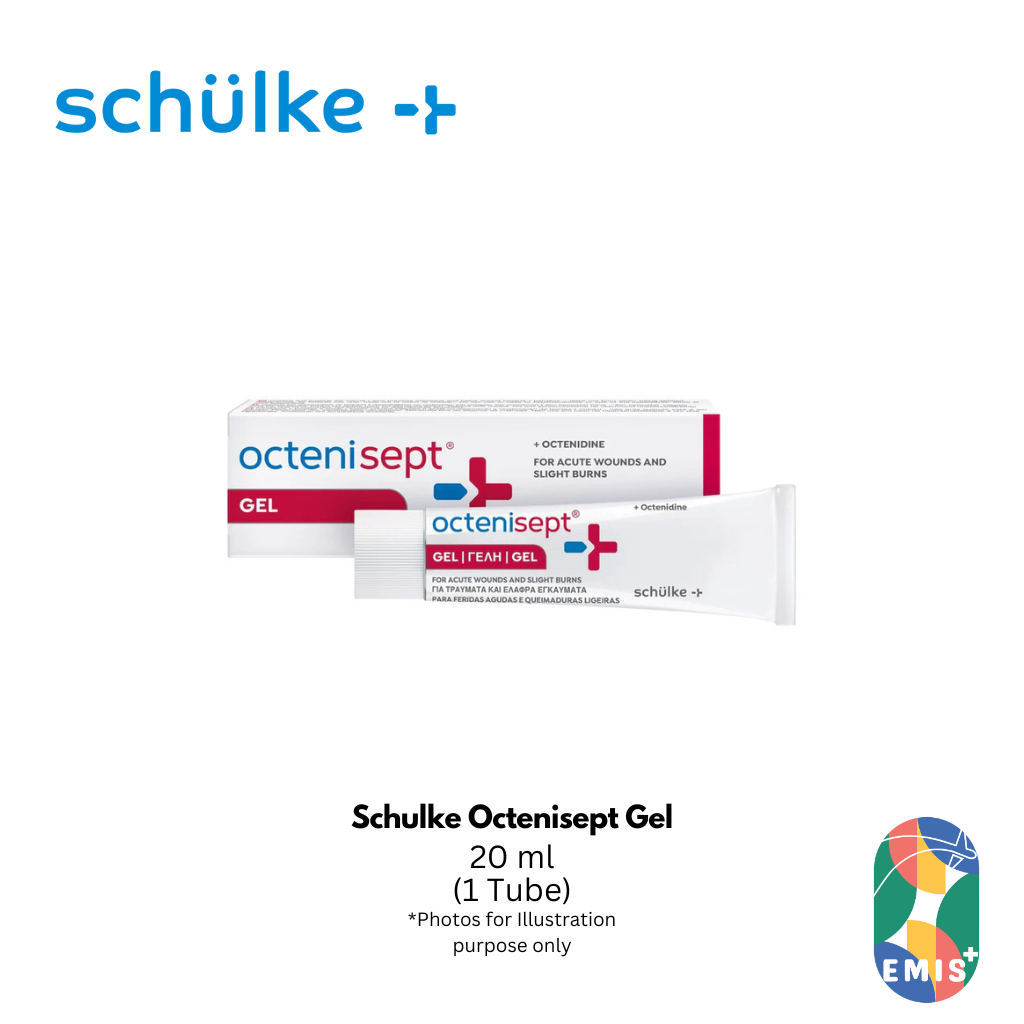
Schulke Octenisept Gel 20ml – Antiseptic Wound Healing Gel for Cuts, Burns, and Sunburn
Schulke Octenisept Gel 20ml – Antiseptic Wound Healing Gel for Cuts, Burns, and Sunburn
无法加载取货服务可用情况
Product Overview
Schulke Octenisept Gel is a ready-to-use, transparent antiseptic wound gel formulated with octenidine hydrochloride for rapid broad-spectrum antimicrobial activity at the wound site. Unlike conventional iodine-based or alcohol-based antiseptics, octenidine provides effective pathogen reduction without cytotoxic effects on granulation tissue or epithelial cells, making it suitable for use on acute wounds where healing must not be compromised.
The gel consistency ensures prolonged contact time with the wound surface compared to liquid antiseptic solutions, while the aqueous base (purified water with propylene glycol and hydroxyethylcellulose) provides a moist wound environment conducive to physiological healing. Clinical studies and extensive post-market surveillance data spanning over two decades confirm the dermatological tolerability of octenidine, with no sensitisation potential and pain-free application even on sensitive wound margins.
Specifications
| Manufacturer | Schulke and Mayr GmbH, Germany |
| Product | Octenisept Gel (wound antiseptic gel) |
| Volume | 20 ml tube |
| Active Ingredient | Octenidine dihydrochloride (Octenidine HCl) |
| Excipients | Aqua purificata, Propylene Glycol, Hydroxyethylcellulose |
| Dynamic Viscosity | Approx. 5,050 mPa.s |
| Density | Approx. 1.01 g/cm3 at 20 degrees Celsius |
| Onset of Action | Pathogen inactivation within 1 minute (quantitative suspension test, high protein load) |
| Antimicrobial Spectrum | Gram-positive and gram-negative bacteria, yeasts, fungi, enveloped viruses |
| Tissue Compatibility | Non-irritating, non-sensitising, no impairment of granulation or epithelialisation |
| Sterility | Non-sterile topical preparation |
| Regulatory | CE marked Class IIa medical device under EU MDR 2017/745; manufactured under ISO 13485 quality management system; HSA registered for distribution in Singapore |
| Packaging | 20 ml aluminium tube with applicator tip |
Clinical Indications
- Antiseptic treatment of acute superficial wounds including abrasions, lacerations, and minor surgical wounds
- First-aid management of minor thermal burns (first-degree) and sunburn with compromised skin integrity
- Wound bed preparation and infection prophylaxis in minor traumatic injuries prior to dressing application
- Antiseptic wound management in paediatric patients where pain-free application is clinically preferred
- Post-procedural antisepsis following minor dermatological procedures such as mole removal or skin biopsy
- Adjunctive antiseptic care for skin donor sites and superficial graft recipient areas
Frequently Asked Questions
Q: What is the difference between Octenisept Gel and Octenisept Solution?
A: Octenisept Solution is a liquid antiseptic formulation containing both octenidine dihydrochloride and phenoxyethanol, designed primarily for mucous membrane and wound irrigation. Octenisept Gel contains octenidine in a hydroxyethylcellulose gel base, providing prolonged wound contact and a moist healing environment. The gel is more suitable for superficial wounds requiring sustained topical antisepsis without runoff.
Q: Is Octenisept Gel safe for use on children?
A: Yes. Octenidine-based preparations are widely used in paediatric wound care due to their pain-free application profile and absence of tissue toxicity. Unlike alcohol-based or iodine-based antiseptics, Octenisept Gel does not cause stinging on application, making it well-tolerated by children. Clinical guidelines from the European Wound Management Association (EWMA) reference octenidine as a suitable antiseptic for paediatric wound management.
Q: How long should Octenisept Gel remain on the wound?
A: The gel achieves antimicrobial efficacy within 1 minute of application. It can be left on the wound surface under a dressing for sustained antiseptic effect. For open wound management, reapply as needed at dressing changes. The gel does not need to be rinsed off and is compatible with standard wound dressings including foam, alginate, and hydrofibre products.
Q: Does octenidine interfere with wound healing?
A: No. Clinical evidence confirms that octenidine does not impair granulation tissue formation or epithelialisation. This is a key differentiator from older antiseptics such as chlorhexidine and povidone-iodine, which have demonstrated cytotoxic effects on fibroblasts at bactericidal concentrations. The non-cytotoxic profile of octenidine is documented in peer-reviewed studies and referenced in EWMA position documents on wound antisepsis.
Q: Where can I purchase Octenisept Gel in Singapore?
A: Octenisept Gel is available in Singapore through authorised medical supply distributors. Schulke operates a regional office in Singapore (Schulke Asia) and the product is distributed through licensed healthcare retailers and e-commerce medical supply platforms including EMIS.
分享